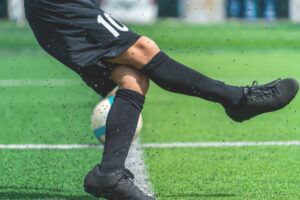
Mastering the Art of Passing in Soccer
Table of Contents
Introduction
Soccer is renowned worldwide for its rhythmic play, often compared to a dance. If soccer is a dance, then passing is undoubtedly the music that sets the tempo. The art of passing in soccer is more than merely kicking the ball to a teammate—it involves precision, timing, decision-making, and a profound understanding of the game’s strategic nuances. The greats of soccer, from Johan Cruyff to Lionel Messi, have all excelled in this skill, making passing an essential aspect of the game that every player must master.
Understanding the importance of passing in soccer goes beyond the physical act. It involves appreciating the science and the subtleties that go into every successful pass.
The Anatomy of a Perfect Pass
A perfect pass in soccer is a blend of the right technique, precision, and vision. Let’s delve into what constitutes a perfect pass and how players can develop these skills.
- Technique: The technique is the first step towards mastering the art of passing in soccer. This involves learning different types of passes, such as the push pass, the lofted pass, and the through pass. Each of these passes has a specific purpose and is used under different circumstances.
- Precision: Precision in passing is about more than merely getting the ball to a teammate. It involves placing the ball in a space that gives your teammate an advantage, ensuring they can control the ball quickly and move it forward.
- Vision: Vision is a vital attribute in the art of passing in soccer. It involves understanding the game, reading the movement of players, and predicting what will happen next. The best passers in soccer have excellent vision, allowing them to make split-second decisions that can change the course of a game.
Types of Passes in Soccer

There are various types of passes in soccer, each with its purpose and technique. Understanding when to use each type of pass can elevate a player’s game.
- Short Pass: The short pass is a fundamental component of the art of passing in soccer. It involves a simple push of the ball to a nearby teammate and is commonly used to maintain possession and build play.
- Long Pass: The long pass is a strategic tool used to switch the play or quickly advance the ball upfield. It requires more power and precision than a short pass but can open up the game when used correctly.
- Through Pass: A through pass is an offensive pass that aims to exploit space behind the opposition’s defense. Timing and precision are crucial in executing a successful through pass.
- Backward Pass: A backward pass is often used to maintain possession or to create space by drawing the opposition out of their defensive position. It can be a crucial part of a team’s tactical setup.
The Importance of Decision-Making in Passing
Passing in soccer is not only about skill and technique but also about making the right decisions. A player’s decision-making ability can affect the outcome of the pass and ultimately the game.
- Reading the Game: Reading the game involves understanding the positions and movements of other players on the field. It helps a player decide when and where to pass the ball.
- Understanding Space: Understanding space involves identifying areas on the field where a pass can be beneficial. It includes recognizing spaces behind the opposition’s defense or gaps in their formation.
- Knowing When to Pass: Knowing when to pass is crucial in the art of passing in soccer. It involves deciding whether to pass the ball or retain possession based on the game’s current situation.
Training for the Art of Passing in Soccer
Training to master the art of passing in soccer involves focused drills and exercises designed to enhance various aspects of passing.
- Passing Drills: Passing drills are exercises that focus on improving a player’s passing skills. These drills can involve short passes, long passes, and passes under pressure.
- Vision Exercises: Vision exercises are designed to improve a player’s awareness and understanding of the game. These exercises can help enhance a player’s decision-making ability when it comes to passing.
- Game Simulations: Game simulations involve recreating game situations to practice passing under realistic conditions. These simulations can help a player understand when and where to pass the ball in a real game.
Useful Training Videos
- 5 Beginner Passing Drills For Football
- 5 Essential Passing Drills For Soccer Players
- Football intelligence training | How to improve vision in soccer
- Visual Awareness Training For Footballers/Soccer Players
- How to perfect the possession game
Famous Players Renowned for Their Passing Ability
Soccer, or football as it is known outside of the United States, has seen many exceptional passers of the ball throughout its history. These players are celebrated for their vision, accuracy, and ability to dictate the pace of the game. As of my last training cut-off in September 2021, here are some players renowned for their passing ability:
- Lionel Messi: The Argentine forward, often hailed as one of the greatest players of all time, is known for his precise, creative passing.
- Kevin De Bruyne: The Belgian attacking midfielder, who plays for Manchester City, is regarded as one of the best passers in the game, known for his through balls and crossing ability.
- Toni Kroos: This German midfielder, who plays for Real Madrid, is recognized for his vision and ability to play long, accurate passes.
- Andres Iniesta: The Spanish midfielder, who spent the majority of his career at Barcelona, was celebrated for his exceptional passing and playmaking skills.
- Luka Modrić: The Croatian midfielder, who also plays for Real Madrid, is noted for his passing accuracy and ability to dictate play in the midfield.
- Sergio Busquets: A defensive midfielder for Barcelona, Busquets is often praised for his vision and accuracy in passing, as well as his ability to maintain possession.
- Paul Scholes: A retired English and former Manchester United footballer, had an exceptional range of passing. Whether short, incisive passes that could split a defense or long, accurate balls that switched the play, he had it all in his repertoire. His vision and understanding of the game allowed him to spot runs from his teammates and deliver precise passes into their path.
- Xavi: Often considered one of the best midfielders in history, Xavi, who spent most of his career at Barcelona, was renowned for his vision, control, and exceptional passing.
- David Beckham: An iconic English footballer, often recognized as one of the greatest passers and crossers of the ball. He played for several clubs throughout his illustrious career, including Manchester United, Real Madrid, AC Milan, Paris Saint-Germain, and LA Galaxy. Beckham’s passing ability was exceptional, with a blend of vision, precision, and creativity that often caught defenses off guard. His long passes were particularly impressive, switching play from one flank to another with an accurate long ball, and his pinpoint crosses from wide areas were a crucial part of his game.
- Andrea Pirlo: A retired Italian footballer, was often hailed as one of the best midfielders of his generation, largely due to his exceptional passing ability. Pirlo played for several clubs during his career, including AC Milan and Juventus, and he was a key figure in the Italian national team that won the 2006 World Cup. Pirlo’s passing ability was nothing short of exquisite. His range was immense, capable of making short passes to maintain possession and build play, or delivering accurate long balls to switch the point of attack.
Conclusion
The art of passing in soccer is more than a mere aspect of gameplay; it is a fundamental pillar upon which the beauty and fluidity of the sport rest. It requires an intimate blend of vision, precision, timing, and an understanding of the dynamics of the game. Players like Lionel Messi, Kevin De Bruyne, Paul Scholes, and David Beckham exemplify this fine art with their exceptional ability to dictate play, manipulate space, and unlock defenses with their pinpoint passing.
Passing can create a rhythm that defines a team’s style, with different types of passes setting the tempo, transitioning from defense to attack, and forming the basis of strategic gameplay. Whether it’s short, tactical passes that build possession, or long, penetrating passes that bypass layers of opposition, the mastery of passing is integral to success in soccer.
The significance of passing extends beyond the individual, impacting the collective team’s performance and the broader trajectory of matches and tournaments. It has been, and will always be, a skill celebrated and revered in soccer, continually evolving with the sport. The art of passing, thus, is not merely a component of soccer; it is the lifeblood that fuels the spectacle we all know and love.
FAQs
Improving passing skills in soccer involves consistent practice, understanding the different types of passes, and developing game awareness. Regular drills, game simulations, and vision exercises can significantly enhance passing skills.
Passing is crucial in soccer as it allows teams to maintain possession, create scoring opportunities, and dictate the pace of the game. A team that excels in passing can control the game and put significant pressure on the opposition.
Common mistakes when passing in soccer include improper technique, inaccurate passes, poor decision-making, and lack of vision. Players often make the mistake of rushing their passes or not properly assessing the game situation.
There are several types of passes in soccer, including short passes, long passes, through passes, and backward passes. Each type of pass has its purpose and is used under different circumstances.
Some of the best passers in soccer history include Xavi Hernandez, Andrea Pirlo, and Lionel Messi. These players have demonstrated exceptional vision, precision, and decision-making in their passing.
Improving vision for passing in soccer involves understanding the game and developing awareness of other players’ positions and movements. Vision exercises and consistent practice can help enhance this skill.
The Importance of Versatile Players in Soccer
8 min read
Read about the importance of versatile players in soccer, highlighting their value and how they’re shaping the future of this global sport.