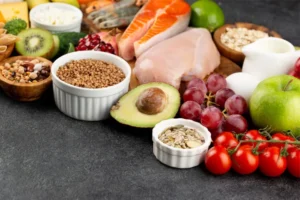
The Ultimate Guide to Post-Game Recovery Nutrition for Soccer Players
Table of Contents
Introduction
Are you a soccer player who has been constantly searching for the perfect post-game recovery routine? What if I told you that the secret to superior performance lies not just in the training but also in the nutrition you choose after each game? Welcome to the Ultimate Guide to Post-Game Recovery Nutrition for Soccer Players.
This comprehensive guide has everything you need to understand the significance of nutrition in your recovery process. Nutrition plays a pivotal role in rebuilding muscles and replenishing energy stores after a strenuous game. From protein-packed meals to antioxidant-rich snacks, hydration hacks to sleep management, this guide will walk you through scientifically-backed strategies to accelerate recovery and elevate performance.
Understanding Post-Game Recovery Nutrition for Soccer Players

The Role of Nutrition in Recovery
When the final whistle blows, the game might be over, but for the soccer player, another crucial phase begins: recovery. This phase can determine how quickly the player’s body can recuperate from the physical stress of the game, repair muscle tissue, and restore energy levels. Post-game recovery nutrition plays a vital role in this process, directly impacting the player’s future performance.
The Science Behind Post-Game Recovery
So, what happens to the body during a soccer match? During an intense match, players use up significant amounts of energy, primarily stored as glycogen in muscles. This energy depletion, combined with muscle damage from physical exertion, needs to be addressed post-game through a combination of rest, hydration, and nutrition. In the next sections, we’ll delve into the essential nutrients needed to facilitate this recovery process.
Essential Nutrients for Post-Game Recovery
Carbohydrates: Restoring Glycogen Levels
Carbohydrates are the primary source of energy for soccer players. During a game, glycogen stores in the muscles get depleted. After the game, eating carbohydrate-rich foods helps replenish these glycogen stores, providing energy for future training and matches.
Protein: Rebuilding Muscles
Next up is protein, the building block for muscles. Soccer matches involve extensive muscle wear and tear. Consuming protein after a game aids in repairing this muscle damage, promoting growth and preventing injuries.
Fluids and Electrolytes: Rehydration Strategy
Soccer players sweat extensively during games, losing not just water but also essential electrolytes like sodium and potassium. Drinking plenty of fluids and consuming electrolyte-rich foods post-game aids in rehydration and prevents dehydration-related issues such as cramps, fatigue, and decreased performance in future games.
The Importance of Timing in Post-Game Recovery
The Anabolic Window
The anabolic window, also known as the “window of opportunity,” is the period after exercise when the body can optimally use nutrients for recovery. Consuming a balanced meal of carbohydrates and protein in this period (generally within 30-60 minutes post-game) is crucial for optimal recovery.
Scheduling Your Recovery Meal
Despite the importance of the anabolic window, it doesn’t mean that recovery nutrition ends after this period. Players should continue to consume balanced meals and snacks throughout the day to maintain a steady recovery process and prepare for future games.
Best Post-Game Foods for Soccer Players
Top Carbohydrate Sources
Some of the best carbohydrate sources for soccer players include whole grain bread, pasta, rice, fruits, and starchy vegetables. These foods not only replenish glycogen stores but also provide essential vitamins and minerals.
Protein-Rich Foods
Lean meats, fish, eggs, dairy products, legumes, and nuts are excellent sources of protein. They provide the necessary amino acids for muscle repair and recovery.
Hydrating Foods and Drinks
In addition to drinking water, consuming hydrating foods like fruits and vegetables can contribute to rehydration. Sports drinks with electrolytes are also beneficial, especially after particularly intense or long games.
The Role of Supplements in Post-Game Recovery
Whey Protein
Whey protein is a popular supplement among athletes, known for its high-quality protein that aids muscle recovery. It’s a convenient option when whole food protein sources aren’t readily available.
Branched-Chain Amino Acids (BCAAs)
BCAAs (leucine, isoleucine, and valine) are essential amino acids that can enhance muscle recovery and reduce muscle soreness post-game.
Creatine
Creatine can boost performance during high-intensity exercise and support recovery by promoting muscle protein synthesis. However, players should consult a healthcare professional before starting any supplement regimen.
Practical Examples of Post-Game Recovery Meals
Quick and Easy Recovery Meals
Post-game recovery meals don’t have to be complicated. A chicken and vegetable stir-fry served with brown rice, a tuna sandwich on whole grain bread, or a protein smoothie with fruits and oats can serve the purpose.
Recovery Snacks for On-the-Go
If a meal isn’t possible immediately post-game, quick recovery snacks can fill the gap. Options can include a protein bar, a piece of fruit with a handful of nuts, or Greek yogurt with honey and granola.
Considerations for Youth Soccer Players
Age-Appropriate Nutrition
Youth soccer players have different nutritional needs compared to adults. They require more calories for growth and development. Additionally, their recovery meals should be enjoyable and kid-friendly.
Teaching Good Eating Habits
Teaching youth players about the importance of post-game nutrition can instill good eating habits. This knowledge can help them make healthier choices and understand the connection between nutrition and performance.
Overcoming Common Nutritional Challenges for Soccer Players
Dealing with Appetite Loss Post-Game
Intense exercise can sometimes suppress appetite. If this happens, liquid meals like smoothies or meal replacement shakes can provide necessary nutrients without feeling too heavy on the stomach.
Handling Food Intolerances and Allergies
Food intolerances and allergies can make post-game nutrition tricky. Players with these conditions should work with a registered dietitian to create an individualized, safe, and effective post-game nutrition plan.
Collaborating with Nutritionists for Optimal Results
The Role of Sports Nutritionists
Sports nutritionists specialize in understanding the unique nutritional needs of athletes. They can provide personalized advice, taking into account the player’s health, performance goals, and food preferences.
Finding the Right Nutritionist for You
Choosing a nutritionist is a personal decision. Look for someone with experience in sports nutrition, particularly with soccer players. A good nutritionist will also take a holistic approach, considering all aspects of the player’s lifestyle and not just their diet.
The Future of Post-Game Recovery Nutrition
Emerging Trends
Recent trends in sports nutrition include the use of tart cherry juice for muscle recovery, beetroot for performance enhancement, and probiotics for gut health. Additionally, personalized nutrition based on genetic profiling is gaining attention.
The Role of Personalized Nutrition
Personalized nutrition acknowledges that each player has unique nutritional needs. By considering factors like genetics, gut microbiome, lifestyle, and personal preferences, nutrition plans can be customized for optimal recovery and performance.
Conclusion
Post-game recovery nutrition is crucial for soccer players to restore energy, repair muscle damage, and prepare for future matches. By understanding the role of key nutrients, timing meals properly, choosing optimal foods, and overcoming nutritional challenges, players can maximize their recovery and performance on the field.
The field of sports nutrition is continually evolving, and staying abreast of emerging trends can further enhance recovery strategies.
FAQs
Post-game nutrition helps soccer players recover more effectively from games by restoring energy levels, repairing muscle damage, and preparing the body for future matches.
Soccer players should consume a balanced meal rich in carbohydrates and protein to restore energy and repair muscles. Hydrating foods and drinks also aid in rehydration.
Soccer players should aim to eat within 30-60 minutes post-game to take advantage of the anabolic window for optimal recovery.
The exact amount varies based on the player’s weight, but generally, 20-30g of protein post-game is recommended for muscle repair.
Yes, supplements like whey protein, BCAAs, and creatine can enhance post-game recovery, but they should be used in conjunction with a balanced diet, not as replacements for whole foods.
Meals like a chicken and vegetable stir-fry with brown rice, a tuna sandwich on whole grain bread, or a protein smoothie with fruits and oats are great examples.
Working with a sports nutritionist can provide personalized advice for soccer players, considering their individual health, performance goals, and food preferences.
The Importance of Versatile Players in Soccer
8 min read
Read about the importance of versatile players in soccer, highlighting their value and how they’re shaping the future of this global sport.