
Preventing Soccer Injuries: Tips for Staying Healthy on the Pitch
Table of Contents
Introduction
Soccer is a high-impact sport that requires physical strength, agility, and coordination. While it can be a thrilling and rewarding activity, it also poses a risk of injury. Injuries can range from minor bumps and bruises to serious fractures and head injuries.
Fortunately, there are many steps you can take to prevent soccer injuries and stay healthy on the pitch. In this article, we’ll discuss some important tips for preventing soccer injuries and keeping your body in top condition.
Understanding Common Soccer Injuries
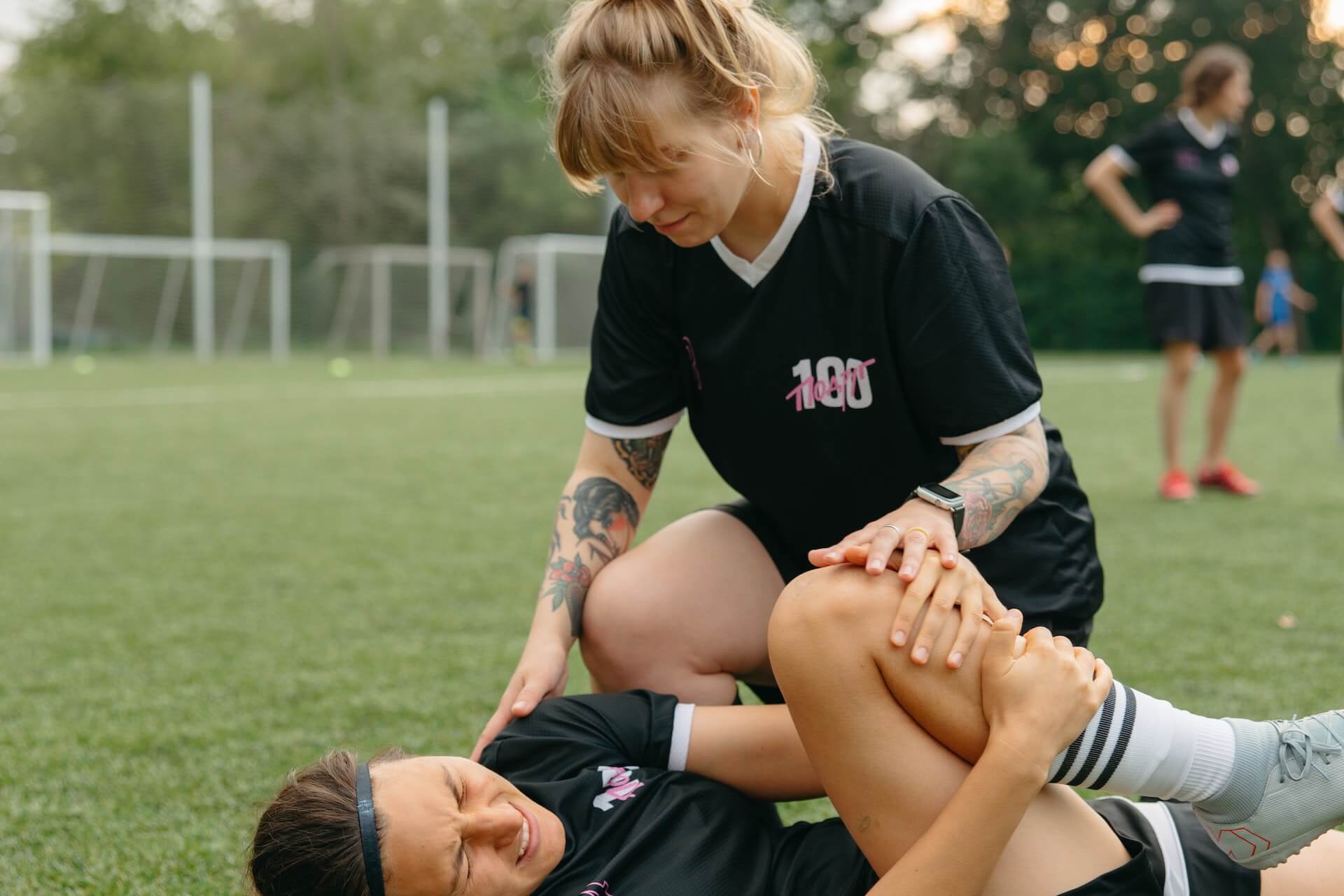
Before we dive into injury prevention tips, it’s important to understand some of the most common soccer injuries. These include:
Sprains and Strains
Sprains and strains are some of the most commonly reported injuries in soccer. These injuries occur when a ligament or muscle is stretched beyond its capacity, leading to tears or ruptures. Common sites of sprains and strains in soccer players include the ankles, knees, and hamstrings.
It’s important to note that sprains and strains can vary in severity. Mild sprains and strains may only require rest and ice, while more severe injuries may require physical therapy or even surgery. Proper warm-up and cool-down exercises, as well as stretching and strengthening routines, can help prevent these injuries from occurring.
Fractures and Dislocations
Fractures and dislocations are less common in soccer than sprains and strains, but can still occur. Fractures refer to a break or crack in a bone, while dislocations occur when a joint goes out of alignment. Common sites of fractures and dislocations in soccer players include the feet, ankles, and shoulders.
These injuries often occur as a result of collisions with other players or falls on the field. Protective gear, such as shin guards and ankle braces, can help reduce the risk of these injuries. It’s also important to ensure that playing surfaces are well-maintained and free of hazards that could cause falls.
Contusions and Abrasions
Contusions and abrasions are minor injuries that involve bruising or scraping of the skin. These injuries are often caused by collisions with other players or falls on the field. While they may not be as serious as other types of injuries, they can still be painful and require proper care to prevent infection.
Players can help prevent contusions and abrasions by wearing proper protective gear, such as long socks and sleeves, and by using proper technique when making tackles or going up for headers.
Concussions and Head Injuries
Concussions and other head injuries are a serious concern in soccer, particularly for players who engage in high-impact activities like heading the ball. These injuries can result in long-term cognitive problems if not properly treated.
Players can reduce their risk of head injuries by using proper technique when heading the ball, such as using the forehead rather than the top of the head. It’s also important to be aware of the signs and symptoms of a concussion, such as headache, dizziness, and confusion, and to seek medical attention immediately if these symptoms occur.
Coaches and trainers can also play an important role in preventing head injuries by ensuring that players are using proper technique and by monitoring players for signs of concussion or other head injuries.
Importance of Proper Warm-Up and Cool-Down
Soccer is a physically demanding sport that requires a lot of running, jumping, and kicking. As such, it’s important to take steps to prevent injuries and ensure that your body is ready for the intensity of play. One of the most important things you can do to prevent soccer injuries is to properly warm up and cool down before and after play.
Dynamic Stretching for Warm-Up
Dynamic stretching is an active form of stretching that involves moving your muscles through a full range of motion. This type of stretching can help to improve flexibility and prepare your muscles for physical activity. A good dynamic stretching routine should include exercises that target all the major muscle groups used in soccer, such as the quadriceps, hamstrings, calves, and glutes.
For example, you might start with some walking lunges to warm up your quadriceps and glutes, followed by some high knees to warm up your hamstrings and calves. You could also incorporate some lateral shuffles to warm up your hip muscles and improve your agility on the field.
Static Stretching for Cool-Down
After your game or practice, it’s important to cool down properly to prevent muscle soreness and tightness. Static stretching is a more gentle form of stretching that involves holding a stretch for a period of time. This type of stretching can help to relax your muscles and prevent muscle soreness after activity.
Some good static stretches for soccer players include hamstring stretches, quad stretches, and calf stretches. You could also incorporate some yoga poses, such as downward dog or pigeon pose, to stretch out your hips and lower back.
Incorporating Cardiovascular Exercises
Cardiovascular exercises like jogging or jumping jacks can also help to warm up your body and get your heart rate up before play. This helps to improve blood flow to your muscles and prepare your body for physical activity. In addition to traditional cardio exercises, you could also incorporate some agility drills or plyometric exercises, such as cone drills or box jumps, to improve your speed and explosiveness on the field.
Remember, taking the time to properly warm up and cool down can make a big difference in preventing injuries and improving your performance on the soccer field. So next time you hit the pitch, make sure to give your body the attention it deserves!
Building Strength and Flexibility
Another important factor in preventing soccer injuries is building strength and flexibility. This helps to improve your physical capabilities and reduce the risk of muscle strains and other injuries.
Strength and flexibility training are crucial components of any soccer player’s fitness routine. By incorporating exercises that target specific muscle groups, you can improve your overall physical abilities and reduce your risk of injury on the field.
Core Strengthening Exercises
Building core strength is particularly important for soccer players, as it helps to improve balance and stability on the field. A strong core can also help to prevent lower back pain and other injuries. Exercises like planks, sit-ups, and crunches can help to build core strength and prevent injuries. These exercises can be done at home or at the gym, and can be modified to suit your fitness level.
Another great way to build core strength is by incorporating stability exercises into your routine. These exercises, which often involve balancing on one leg or on an unstable surface, can help to improve your overall balance and coordination.
Lower Body Strength Training
Lower body strength training is essential for soccer players, as it helps to improve speed, agility, and power on the field. Exercises like squats, lunges, and deadlifts can help to build leg strength and reduce the risk of muscle strains. These exercises can be done with weights or with bodyweight, and can be modified to suit your fitness level.
In addition to these exercises, plyometric training can also be beneficial for improving lower body strength. Plyometric exercises, which involve explosive movements like jumping and bounding, can help to improve your overall power and speed.
Upper Body Strength Training
While soccer is largely a lower-body sport, upper body strength training can also be beneficial for preventing injuries. A strong upper body can help to improve your overall physical fitness and reduce the risk of shoulder and arm injuries. Exercises like push-ups, pull-ups, and bench presses can help to build upper body strength and improve overall physical fitness.
In addition to these exercises, incorporating resistance bands into your routine can also be helpful for building upper body strength. Resistance bands are a versatile and affordable tool that can be used to target specific muscle groups and improve overall strength and flexibility.
Flexibility Training for Injury Prevention
Finally, incorporating flexibility training into your exercise routine can also be helpful for preventing soccer injuries. Stretching exercises like yoga can help to improve flexibility and reduce the risk of muscle strains and other injuries. In addition to yoga, dynamic stretching exercises like leg swings and arm circles can also be beneficial for improving overall flexibility and reducing the risk of injury.
Remember that building strength and flexibility takes time and dedication. By incorporating these exercises into your routine on a regular basis, you can improve your overall physical abilities and reduce your risk of injury on the soccer field.
Proper Nutrition and Hydration
In addition to physical exercise, proper nutrition and hydration are also important for preventing soccer injuries. Eating a balanced diet and staying hydrated can help to improve your overall physical health and reduce the risk of injuries.
Eating a Balanced Diet
A balanced diet should include plenty of fruits and vegetables, lean proteins, and whole grains. These foods provide the nutrients and energy your body needs to stay healthy and perform at its best on the field.
For example, fruits like bananas and oranges are great sources of potassium and vitamin C, which can help to prevent muscle cramps and promote healing. Vegetables like spinach and broccoli are high in iron, which can help to prevent anemia and improve oxygen delivery to your muscles. Lean proteins like chicken, fish, and tofu are important for building and repairing muscle tissue, while whole grains like brown rice and quinoa can provide sustained energy throughout the game.
Staying Hydrated Before, During, and After Play
Drinking plenty of water is also important for staying healthy and preventing injuries. You should aim to drink at least 8-10 glasses of water per day, and more if you’re engaging in physical activity like soccer.
It’s also important to hydrate properly before, during, and after play. Before the game, you should drink at least 16 ounces of water or sports drink. During the game, you should aim to drink 7-10 ounces of fluid every 10-20 minutes. After the game, you should continue to drink fluids to replenish what you’ve lost through sweat.
Importance of Electrolytes
In addition to water, it’s also important to replenish your electrolytes during and after play. Electrolytes are minerals like sodium, potassium, and magnesium that help to regulate fluid balance and muscle function.
Sports drinks like Gatorade and Powerade are designed to replenish electrolytes and provide energy during physical activity. However, these drinks can also be high in sugar and calories, so it’s important to choose low-sugar options or dilute them with water.
You can also get electrolytes from other sources, like coconut water, which is a natural source of potassium and magnesium. Eating foods like bananas, avocados, and sweet potatoes can also help to replenish electrolytes.
Conclusion
By following these tips, you can reduce your risk of soccer injuries and stay healthy on the pitch. Remember to always listen to your body and seek medical attention if you experience pain or other symptoms that may indicate an injury.
With the right preparation and care, you can enjoy all the benefits that soccer has to offer without putting yourself at unnecessary risk of injury.
Mastering the Art of Passing in Soccer
6 min read
The art of passing in soccer is more than merely kicking the ball to a teammate—it involves precision, timing, decision-making, and a profound understanding of the game’s strategic nuances. Learn essential soccer passing tips to master the art of passing in soccer.